
Cataula Brush Removal Services
Choose our expert brush removal services in Cataula for fast, thorough clearing that enhances your property's safety, beauty, and value—handled by a team you can trust.
Get a Free QuoteOur Cataula Landscaping & Yard Care Services
When to Schedule Brush Removal in Cataula, Georgia – Seasonal Guide
In Cataula, Georgia, timing your brush removal is crucial for maintaining a healthy and attractive landscape. The best periods for this service are typically late winter through early spring, just before new growth begins, and again in late summer or early fall after the peak growing season. These windows align with Cataula’s climate, which features mild winters, humid summers, and a growing season that stretches from March to October. Local neighborhoods like Mulberry Grove and areas near the Standing Boy Creek State Park often experience dense undergrowth and rapid vegetation changes, making regular brush management essential.
Environmental factors such as the region’s average last frost date in early March, periodic drought risks during late summer, and the heavy shade coverage from mature hardwoods all play a role in determining the optimal time for brush removal. Soil types in Cataula, ranging from sandy loam to clay, can also impact how and when brush should be cleared. For more information on local regulations and best practices, visit the official municipal resource.
Local Factors to Consider for Brush Removal in Cataula
- Tree density and type of vegetation (e.g., pine vs. hardwood)
- Terrain slope and accessibility, especially in neighborhoods like Pine Ridge
- Seasonal precipitation patterns and risk of drought
- Municipal restrictions or burn bans
- Proximity to landmarks such as Harris County High School or Standing Boy Creek
- Soil composition and drainage characteristics
- Shade coverage and sun exposure throughout the property
Benefits of Brush Removal in Cataula

Enhanced Curb Appeal
Improved Property Safety
Prevention of Pest Infestations
Increased Usable Outdoor Space
Healthier Landscape Growth
Boosted Property Value
Cataula Brush Removal Types

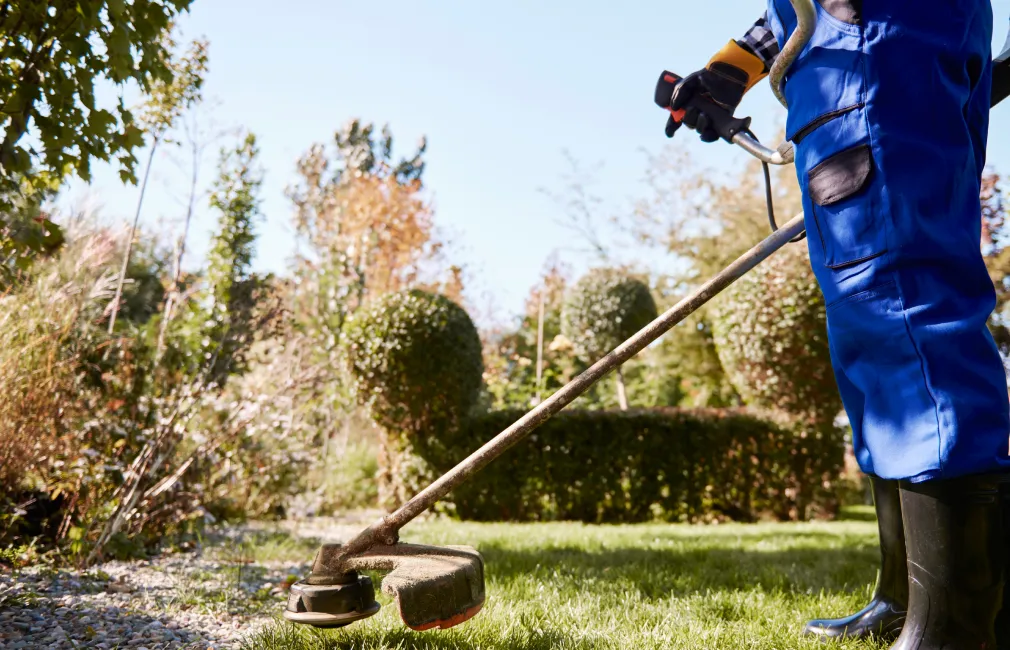
Manual Brush Clearing
Efficient removal of brush using hand tools for precise landscaping results.
-
Mechanical Brush Removal
Utilizing specialized machinery to clear large areas quickly and effectively.
-
Selective Brush Thinning
Targeted removal of specific brush to enhance landscape aesthetics and health.
-
Stump Grinding and Removal
Complete elimination of brush stumps to prepare land for new growth or construction.
-
Controlled Burning
Safe and regulated burning techniques to clear brush and rejuvenate soil.
-
Herbicide Application
Environmentally responsible use of herbicides to manage and prevent brush regrowth.
-
Mulching and Chipping
Turning cleared brush into mulch or wood chips for sustainable landscaping solutions.
Our Brush Removal Process
Site Evaluation
Safety Preparation
Brush Clearing
Debris Removal
Final Inspection
Why Choose Cataula Landscape Services
-
Cataula Homeowners Trust Us
-
Expert Lawn Maintenance
-
Reliable Scheduling
-
Competitive Pricing
-
Professional Team
-
Satisfaction Guarantee
-
Personalized Service
Coordinating Brush Disposal Through Harris County Public Works and Road Department
Cataula is an unincorporated community within Harris County, Georgia, which means brush removal and disposal coordination falls under county-level jurisdiction rather than a municipal public works office. The Harris County Public Works and Road Department oversees road right-of-way maintenance and infrastructure, and property owners should confirm current policies regarding roadside brush placement before staging debris. Key considerations for Cataula residents include:
- Brush and limbs should not obstruct county road shoulders, drainage ditches, or culvert openings
- Verify whether the county offers periodic curbside brush collection or requires self-hauling to an approved disposal site
- Large-scale land clearing may require coordination with Harris County Community Development to confirm compliance with local land disturbance or grading provisions
- Open burning of brush piles requires adherence to Georgia Environmental Protection Division air quality rules and local burn permit protocols
Confirm current disposal options and any seasonal collection schedules directly with the county.
Harris County Public Works and Road Department
P.O. Box 365, Hamilton, GA 31811
Phone: (706) 628-4958
Official Website: Harris County Public Works and Road Department
Wildfire Risk and Brush Accumulation on Cataula's Wooded Rural Properties
Cataula sits within USDA Hardiness Zone 8a, in the western Piedmont transitional zone where mixed hardwood and pine forests dominate the landscape. Properties in this area frequently accumulate significant brush from seasonal leaf drop, storm-damaged limbs, and natural undergrowth. The Georgia Forestry Commission classifies much of Harris County as having moderate to elevated wildfire risk due to dense vegetative cover and rural lot sizes that allow fuel loads to build unchecked. Property owners should prioritize brush removal to reduce fire hazard by following these guidelines:
- Maintain a defensible space of at least 30 feet around structures by clearing dead brush, fallen limbs, and dense undergrowth
- Remove accumulated pine straw and leaf litter from beneath decks, porches, and outbuildings
- Stack brush piles away from structures and power lines, and dispose of them promptly rather than allowing long-term accumulation
- Contact the Harris County Volunteer Fire Department for guidance on safe burning practices and local burn-ban status during dry periods
Georgia Forestry Commission
P.O. Box 819, Macon, GA 31202
Phone: (800) 428-7337
Official Website: Georgia Forestry Commission
Protecting Cataula's Creeks and Drainage Corridors During Brush Clearing Operations
Cataula's landscape is crossed by several tributaries feeding into Mulberry Creek and the broader Chattahoochee River watershed. Brush removal activities near these waterways require careful attention to erosion control and sediment prevention. The Georgia EPD Watershed Protection Branch enforces state water quality standards that apply to land-disturbing activities, and the federal Clean Water Act provides additional protections for navigable waters and their tributaries. Property owners and contractors conducting brush removal near streams should observe the following practices:
- Maintain a minimum 25-foot undisturbed vegetative buffer along perennial streams; verify whether Harris County ordinances require wider buffers through the Harris County Code of Ordinances
- Do not push or dump brush debris into creek channels, drainage ditches, or stormwater conveyances
- Install silt fencing or erosion control barriers on slopes steeper than 3:1 before clearing begins
- Avoid operating heavy equipment on saturated soils near stream banks, as Cataula's Cecil and Pacolet clay loam soils compact readily when wet, increasing runoff potential
Soil data for specific parcels can be verified through the USDA Web Soil Survey.
Invasive Species Identification and Removal Priorities for Cataula Properties
Brush removal in the Cataula area frequently involves invasive plant species that have colonized fence lines, woodland edges, and neglected lot margins. The western Piedmont region of Georgia supports aggressive growth of several non-native species that complicate clearing efforts and can re-establish rapidly if not properly managed. UGA Cooperative Extension and the UGA Extension Invasive Species program provide identification guides and management recommendations for the following common species in Harris County:
- Chinese privet (Ligustrum sinense): Forms dense thickets along streams and woodland edges; requires root removal or targeted herbicide application to prevent regrowth
- Kudzu (Pueraria montana): Rapidly covers trees and structures; repeated cutting combined with systemic herbicide treatment is typically necessary
- Japanese honeysuckle (Lonicera japonica): Twining vine that smothers native shrubs; manual removal is effective for small infestations
- Bradford pear (Pyrus calleryana): Increasingly recognized as invasive in Georgia; produces dense brush when wind-damaged or cut
Any herbicide application during brush removal must comply with the Georgia Pesticide Use and Application Act of 1976, which requires commercial applicators to hold valid licensure through the Georgia Department of Agriculture.
Optimal Brush Removal Timing for Cataula's Extended Growing Season
Cataula's location in the western Georgia Piedmont produces a long growing season—typically from late March through mid-November—with warm, humid summers that accelerate vegetative regrowth. Timing brush removal strategically reduces the frequency of repeat clearing and minimizes environmental disruption. The National Weather Service Peachtree City forecast office provides local weather data relevant to scheduling outdoor work. Key timing considerations include:
- Late winter (January–February): Ideal primary clearing window; deciduous brush is dormant, visibility into thickets is maximized, and ground conditions are typically firm enough for equipment access on Cataula's clay soils
- Late spring (May–June): Secondary clearing may be needed as warm-season growth peaks; prioritize areas where regrowth threatens structures, fences, or sight lines along county roads
- Post-storm events: Tropical moisture and severe thunderstorms from June through September frequently generate significant limb and brush debris; prompt removal prevents drainage obstruction and pest harborage
- Avoid clearing during nesting season (April–August) in areas with confirmed ground-nesting bird activity or near documented wildlife corridors
Property owners managing large wooded parcels should consult the Georgia Forestry Commission for guidance on prescribed burning as a complement to mechanical brush removal.
What Neighborhoods Do We Serve Throughout Cataula, GA?
- Cataula Proper / GA Highway 315 Corridor: The central community area features a mix of older homesteads and newer residential lots with mature hardwood canopy, producing consistent brush and limb accumulation along property edges and fence rows.
- Mulberry Creek Vicinity: Properties near Mulberry Creek and its tributaries often have dense riparian brush, requiring careful clearing that respects stream buffers and addresses erosion-prone Cecil clay loam soils on sloped banks.
- Pine Mountain Valley Road Area: Rural residential parcels along this corridor feature large wooded lots with significant pine and mixed hardwood understory, creating elevated brush loads after storms and seasonal dieback.
- Whitesville Road / Northern Harris County: Properties in this area tend toward larger acreage with pasture-woodland transitions where invasive privet and honeysuckle colonize fence lines and require periodic mechanical clearing.
- Lake Harding Vicinity: Lots near the Chattahoochee River impoundment face unique brush management needs related to lakefront access, steep terrain, and proximity to protected water resources requiring sediment control during clearing.
- Ellerslie–Cataula Transition Area: This developing corridor includes newer subdivisions adjacent to older wooded parcels, where lot clearing and brush disposal must account for both county land disturbance standards and neighborhood drainage patterns.